
Scotland Travel Tips
Tipping
Let’s start with tips! Gratuities, as it were. Some believe that ‘tipping’ in Europe is not required or even frowned upon. While some places in Europe may have that stigma, it is not true in Scotland. It is less formal than the USA but is still a nice thing to do and a good tip can make someone’s day, week or even month! Some examples may help explain;
- 1 Having a beer or 2 at the bar? Ask the bar staff serving you if they’d like a drink too – they may ‘put one in’ for when they finish their shift.
- Heading out for dinner? If it’s about £50 or less just round the bill up to the nearest £5 increment – so a bill of £31 make it £35 if it’s £37 then maybe £40 or £45 depending how well you liked your visit. For larger bills use 10-20% as a guide.
- Our drivers do not expect a gratuity but will always receive any gratuity with a smile and a thank you, it’s an indication of a job well done and happy customers!
Money
While we’re on the subject of Scottish money there’s a few things you will find unusual.
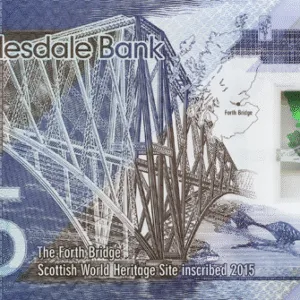
We have 3 banks that issue bank notes. Clydesdale Bank, Bank of Scotland and The Royal Bank of Scotland.
All the notes from each bank are unique to that bank
Each note is progressively larger as the denomination increases.
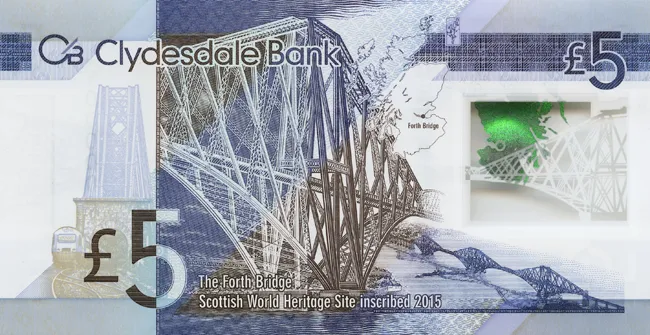
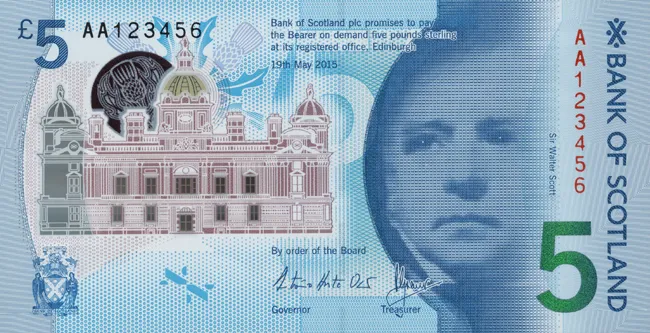
Their colours are similar though so that’s at least something!
They are now all made from ‘polymer’ and have small transparent windows, some have braille areas for note identification too
At the date of publication (early 2023) the banks and notes are as follows:
- Clydesdale: Polymer notes – £5, £10 and £20 with no £50 note and their £100 being paper.
- Bank of Scotland: Polymer notes – £5, £10, £20, £50 and £100 there’s also a current £100 paper note.
- Royal Bank of Scotland: Polymer notes – £5, £10, £20 and £50 there’s also a current £1 and £100 paper note.
You can find out more about our bank notes here: https://www.scotbanks.org.uk/banknotes.html
If you’ve changed money before coming here, you’re likely to have been issued Bank of England notes, don’t worry you can use them in Scotland too!
Apple pay and contactless card payments are prevalent here and you’d be surprised at the small establishments that take card payment, even some of the honesty boxes! VISA and Mastercard are generally accepted everywhere with AMEX and other less well known cards here not so commonly accepted.
Restaurants
We’ve covered dinner tips but not some of the restaurant service variations… When you sit down you’ll have that table until you leave, unless the restaurant has already made it clear they need the table back by a certain time. That means you’ll need to ask for the final bill – you may have finished your main course and just be waiting for a while to order more food or drinks. TLDR – ask for your bill when you want to leave!
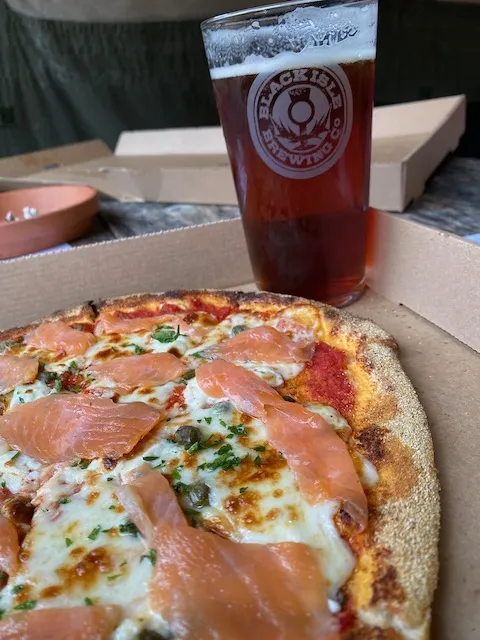
Also the better restaurants will require a reservation; walk in and wait isn’t something we often offer in restaurants, in a pub you may be able to wait at the bar. You’ll find ‘eat at the bar’ is not an option either at a lot of establishments so don’t be surprised if you ask for that and the staff say no.
Luggage
OK you don’t know what to pack, understood. Don’t pack everything in your wardrobe though! The short answer is ‘layers’ so you can adjust and adapt your clothing to the ever changing weather here.
- Footwear: you’re unlikely to really need strappy high heels in the highlands of Scotland, flat shoes make a much better base for exploring, if your shoes are smooth on the bottom, you’ll end up on your bottom!
- Pants / trousers: denim and jeans work almost everywhere. Lightweight, quick drying materials are good too in the summer months.
- On top, you may want t-shirts and long sleeve shirts available so you can adjust to variable temperatures here. You’ll also want a quick dry option.
- Lightweight ‘shell’ type water and wind proof jackets are more useful than thick and heavy jackets.
- Headwear in the summer a summer hat will help prevent sun burn and in the winter a thicker hat will help prevent frostbite!
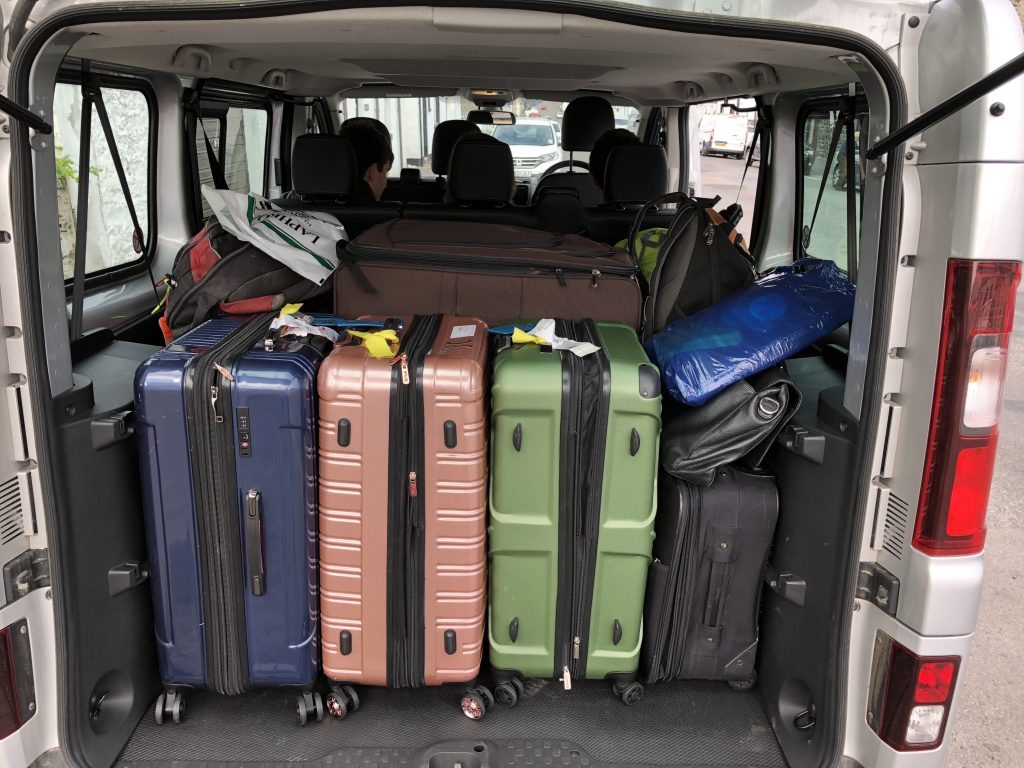
You’ll likely have 2 bags with you and in general if you can pack a smaller bag that you’d take into your accommodation I would recommend that. Few of our quirky and historical hotels and B&B’s have elevators and carrying that 50lb bag to your room is quickly going to lose its charm! A low weight backpack or hand luggage type bag makes your life easier. Your big bag can stay in the vehicle overnight and head into your hotels a couple of times through the tour so you can change out your cleans and dirties!


